
Nothing affords you an unparalleled connection with nature quite like hunting and fishing. Speak to most hunters and they’ll tell you all about their last fishing trip.
Likewise, speak to any angler and they’ll probably have a story about the time they harvested a prize buck.
If like most outdoorsmen, you too have a love for the sports that find us in the wilderness, you may want to try combining the two into one trip, which is exactly why we have created a comprehensive guide for planning your next fishing trip!
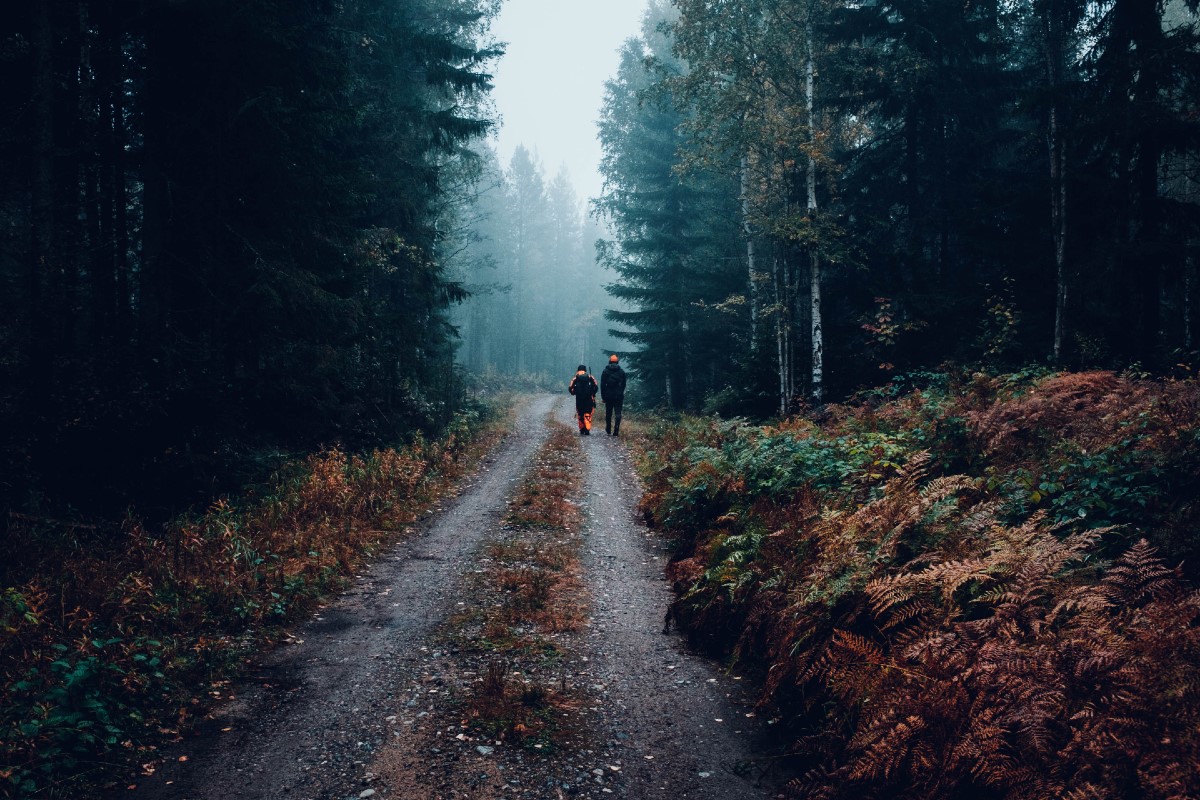
When you plan any trip, particularly a hunting & fishing trip, it can be incredibly overwhelming, especially if it is your first time.
The trip will be affected by a few things, such as the season that you are planning for, the budget that you have available, the paperwork that you’ll need on hand (remember that every state has unique guidelines and regulations regarding hunting/ fishing licenses and permits), and the location.
An outfitter is “anyone who provides any combination of expediting, guiding, accommodations, meals, access, and transport for hunting and fishing adventures” as defined by the team at Outdoor Dream.
Novice hunters and anglers will benefit from the services that outfitters offer more than anyone else, as outfitters handle all of the small things that you should consider when planning a trip - especially all of those small things that we don’t commonly think of, but also the big things, like choosing the perfect spot that only locals know.
If you don’t opt to employ an outfitter, that’s cool too.
Be aware, however, that you should be prepared to be doing a lot of planning before your trip, as well as acquiring all of the paperwork required to conduct any hunting and fishing that you do in the area that you choose.
A couple of things that you’ll want to consider, should you choose to do your planning yourself are:
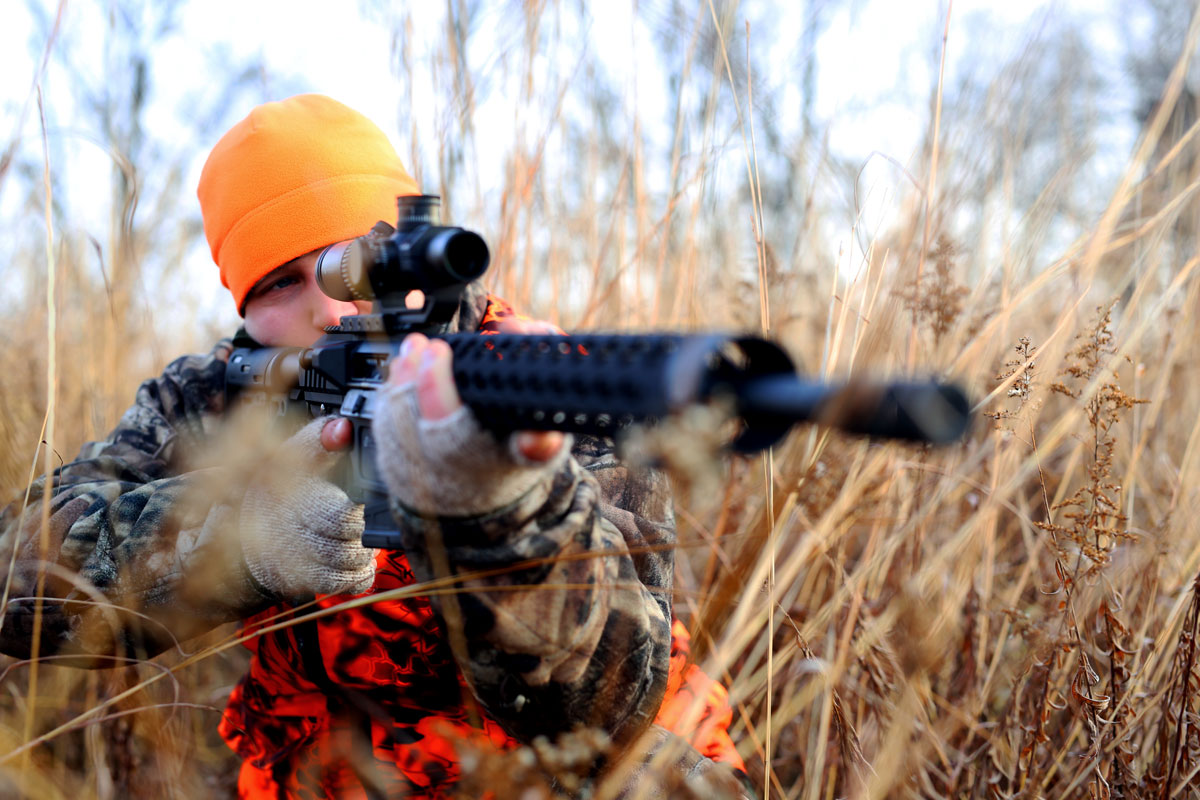
Knowing which species you intend to hunt or fish is crucial if you want to get the most from your trip.
First, know the species that you intend on taking home will help you prepare your loadout. Fishing trout, for example, is completely different from fishing bass and your preparation will be a key factor in your success.
When you know which species you are hunting, identifying the species becomes easier. Incorrectly identifying the species that you shoot can lead to major issues, such as illegally harvesting non-game animals or accidentally shooting a person who was mistaken for game.
Lastly, knowing the species you want to target allows you to properly plan your trip and budget accordingly. I advise that you know your target species before doing any other planning.
Most anglers have a preference when it comes to the kind of fishing that they enjoy, but keep in mind that the species of fish in the region, as well as restrictions in the area, will play a part in the kind of fishing that you do.
For more on the types of fresh-water fishing you should consider, check out this article.
Like I’ve mentioned, knowing which species you intend to target and the quantity that you would like to bag will aid here.
Knowing what kind of fishing style you will be using will help you adequately pack your tackle box and ensure that you reap the best results.
Pro-tip for beginners: Choosing the best triggerspin reel and stick for the job will make life a lot easier and remove the headaches associated with learning to fish in a natural environment - I remember the struggle, going from the local trout farm to reserve.
You won’t be glamping - pack the right kit.
The term glamping has become popularized over the last few years, and for those who enjoy being connected to nature while maintaining all of the comforts of home, including the latest fashion items, glamping is great.
That said, you’re hunting and fishing trip is going to be far from luxurious, so having the right clothing is critical.
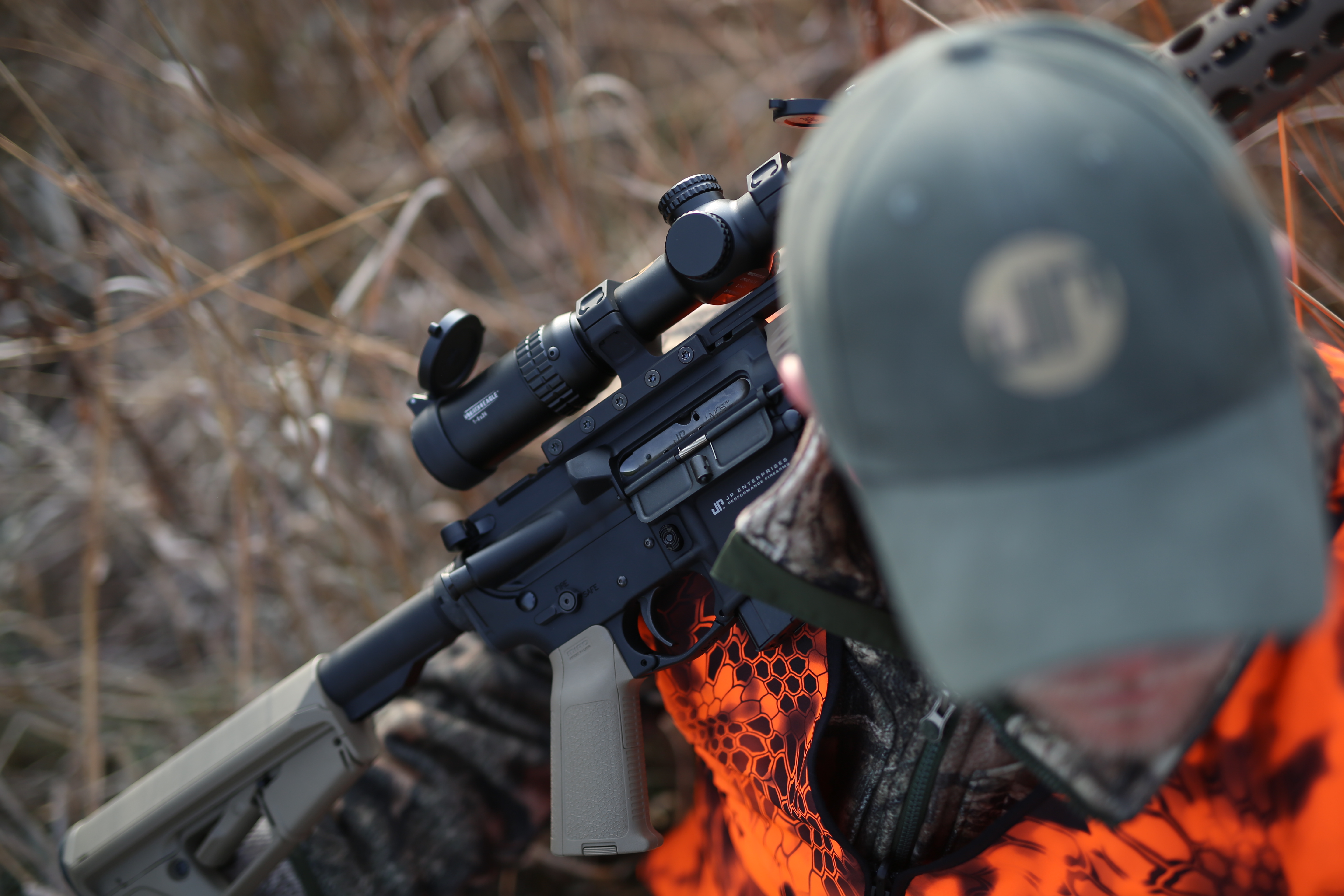
This one is the most important tip that I could offer when it comes to attire.
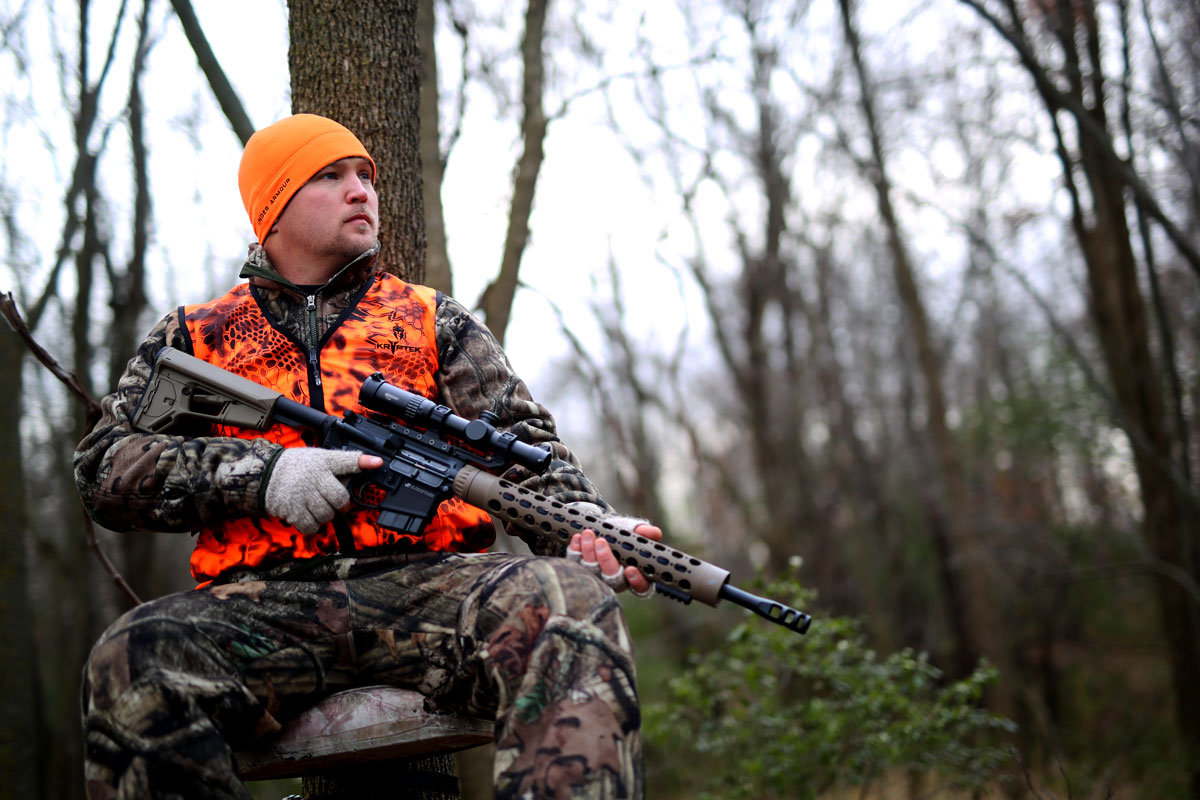
Wear blaze orange.
See3D confirms that deer can’t see orange and that most state laws require it, but honestly, the reason that you should wear it is that it can save your life!
No one ever won any fashion contests with bullet holes in them…
The next thing that you should plan for, in terms of your clothing, is the kind of weather that you’ll be facing.
Of course, layers will help regulate your body temperature and it’s something that I recommend in almost all of my guides, but layers won’t keep the rain off you or the bite of frost if your gear isn’t suited to the environment.
Pack the right kit in layers for the best results.
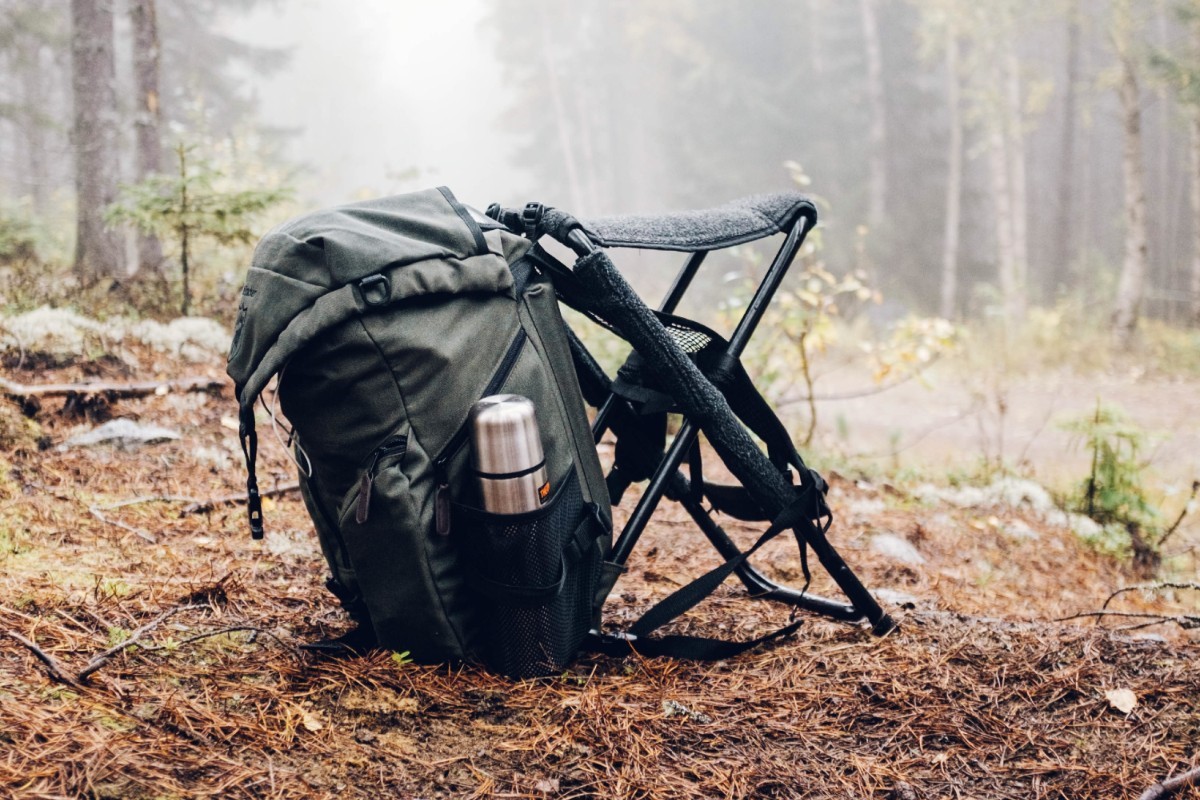
No matter where you’ve planned your trip, there are a couple of key items that you’ll need to take with you. Let’s check out what these are:

When it comes to which boomstick you elect to take on the hunt with you, there are endless options. That said, there is one class that is growing in popularity every season - ARs. Of course, no two AR’s are the same, but like Logan from Range365 so eloquently puts it, ARs are “LEGO for adults”. No matter the size of the game that you are after, there is an AR built to bring it down.
My personal favorite, hands down, is the R1 rifle, also known as the FAL. The R1 packs a mean 308 punch, which means that this heavy-duty badass will take down most medium game at a distance. The only drawback is its weight, which may not be ideal for hunts where a lot of walking is involved.
You’ll notice that I didn’t mention ammo in the list of items that you should pack. The reason for this is because you should first have the type of weapon that you’ll be taking with you in mind, as well as the size of the game that you’ll be hunting, and also the length of your trip. Remember, ammo can add serious weight to your pack, so first working out exactly how much you’ll need will save you on backpack weight when you’re lugging your gear a few miles to an ideal blind.
If you’re only going to read one section from this post, let it be this section.
Safety, when enjoying any outdoor activity, is of the utmost importance, and ensuring that you properly plan for, practice, and observe all of the safety tips that I am about to mention may save your life or the life of another member of your party.
Without further ado, here are my top tips for safety on your next hunting and fishing trip (and hopefully all future hunting and fishing trips too):
The last thing that I want to advise on is something that any outdoorsman will have contended with on multiple occasions - the weather.
Luckily, there are hundreds of weather services that you can access on your phone, which makes planning for the weather easy.
Granted, no weather forecast is perfect and you should plan accordingly, but knowing potential weather patterns before you depart will only make your trip more enjoyable and, more importantly, safer.
There are a ton of things to consider before you head out on your next hunting/ fishing trip, so I hope that I’ve made your planning a little easier.
If there is anything that I’ve not mentioned, feel free to let me know in the comments!
Don’t forget to share this with your hunting party or fishing crew, so that they can also benefit from the information.
If you have any questions, don’t hesitate to reach out, I’m always happy to help out in any way that I can! Have a happy, safe trip outdoorsman!
Want to be kept up to date with the latest news from JP Enterprises?
Want access to the latest exclusive deals?
Click below to subscribe to the JP BULLETin.

Social Media