
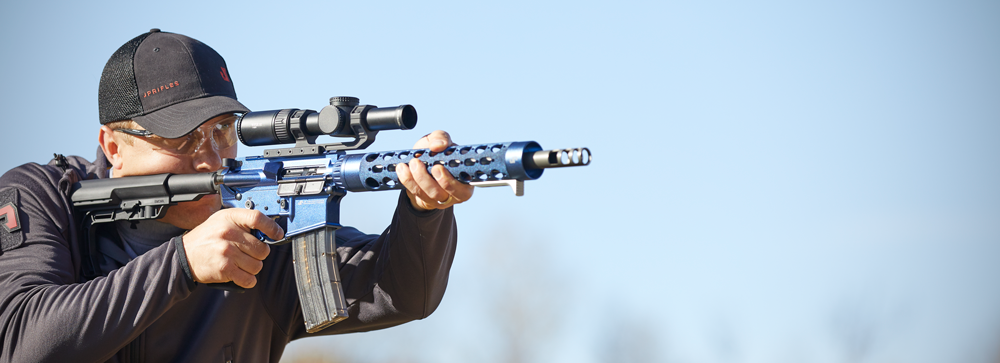
Ringing steel or just blasting paper targets warms my heart. I love to burn through magazines stuffed full of ammunition as much as anyone else (and probably more). Range time is therapy for me.
However, as the political and economic winds have been blowing, ammunition prices have risen to heights I have not seen in my lifetime (along with plenty of other commodities). Almost everyone is conserving their extremely valuable shooting resources. We have seen ammunition conservation efforts impact match participation, practice range usage and overall participation in the shooting sports.
It is undeniable that these high costs or the unreliable availability of ammunition have changed how I practice over the last two years. Fortunately, that doesn’t mean I’ve just stopped practicing. Necessity is the mother of invention, and I wanted to share a few of the things I have done to get practice repetitions in while not burning through skids of ammunition.
I would guess anyone’s #1 one suggestion to reduce the cost of practice is dry fire, and I wholeheartedly agree. Dry fire can help build all kinds of skills, and if you haven’t already done so, I would recommend incorporating it into your routine regardless of the current ammo price.
There are a ton of great resources online for dry fire practice. I think the biggest part of dry fire is committing to regular practice and being honest with yourself while you do so.
Did you actually call a good shot? Did you hit your mark on the floor? Did you see what you needed to see? You can develop bad habits in dry fire that could carry over to the range and your next match. Remember that you’re only cheating yourself.
Dry fire can be done at home, on the range or really anywhere with a safe and secure backstop. Over the last two years, I have started to do more dry fire on the range. Previously, I would just top off the mags after a practice stage or drill and burn through another couple sets of live fire. Now, I use the empty mags and dry fire the stage a few times in between runs. I am still getting all of the reps and transitions without burning a single round of precious ammo.
I have also incorporated portions of dry fire into live fire practice stages. Maybe the rifle has an empty mag, and I press the trigger and call hits on a 50-yard plate rack before transitioning to live fire with the pistol or shotgun. This allows me to get more repetitions and build shooting positions without burning lots and lots of ammunition.
Aside from dry fire, what else can you do? Now is the time to get creative.
Airsoft is a cheap and easy way to increase repetitions at home. I know some shooters have set up courses in their garages or basements and can simulate stages with a little creativity. Some airsoft targets even allow you to collect and recycle your BBs.
Although you can’t replicate recoil in airsoft, you can work on acquiring sight pictures, movement, target transitions and gun transitions, which goes a long way. Plus, it’s a fun way to practice, and you’re more likely to do it because it can be done at home in between the many tasks of everyday life. A side benefit is you can involve your kids in the airsoft practice sessions to help teach firearm handing and safety without worrying about recoil and loud noises.
Next, how about those oddballs in your collection? Start by taking a look through your ammunition supply. Do you have some loaded ammo or components in calibers you don’t normally shoot? If so, it might allow you to get some practice with a different firearm.
You might be able to practice long gun transitions with a .22 or 9mm AR, or pistol transitions with a .22 or .40 caliber. You can even be super innovative and use a 20-gauge or 16-gauge to get some additional repetitions in. Even if it's not with your competition guns, getting more trigger time is always beneficial.
Heavy demand has lead to other innovative means of firearms practice in the last few years. I can’t remember who it was, but someone on the 3Gun Show suggested using laser pointers for practice at the house or range. What you have is an enhanced version of dry fire.
I grabbed a couple $2 laser pointers and tried it. It does help you focus on your body position, foot positions, and fluidity, especially when practicing shooting on the move. I would highly recommending giving it a try. It is fun, too, and there are high tech systems if you really want to go all out.
Staying in shape is another step you can take to improve your match performance without burning through ammunition. Hiking, running, biking, even walking can give you an edge in your next competition. By increasing your physical fitness level you can help with breathing, endurance during a match, and your overall health.
Reviewing match footage is another non-ammunition consuming activity you can do to improve your match performance. One of my buddies recommended an app called Coach’s Eye. It is a great tool for comparing your stages to another competitor’s.
Basically, if you ask a couple buddies to send their footage to you or record their stages on your phone, you can review where you gained or lost time compared to them. Then, you can focus on those specific areas, whether it is in transitions, footwork, entries, exits, etc. This idea can be applied to practice or matches. Video is an invaluable tool, especially during these times where ammunition is at a premium.
Another great resource would be taking a class or some private instruction. In a class, you can learn from someone who has invested years and stacked mountains of spent brass to learn a skill or technique. You can skip much of the trial and error and focus on the refined techniques an experienced instructor can offer.
Classes have made a huge difference in my shooting and understanding of competitive shooting. The money you invest in the course and skills will likely save cases of ammunition and hours of practice. In person is obviously best, but there are some quality video courses available as well.
So, I hope you found these ammo-saving tips helpful. I am convinced incorporating these methods into your practice routines will allow you to get the most out of your ammunition while maintaining a high level of performance.
Good luck out there!
Garrett Boop is an educator and active hunter from Pennsylvania. Along with the other members of the Keystone Armory Shooting Team, he's also an active 3-Gunner and adrenaline junkie.
Want to be kept up to date with the latest news from JP Enterprises?
Want access to the latest exclusive deals?
Click below to subscribe to the JP BULLETin.

Social Media